The History and Cultural Significance of Prayer Mats
Prayer mats, also known as sajjada in Arabic, are more than just functional items for worship. They carry centuries of history, cultural symbolism, and artistic expression. While their primary role is to provide a clean surface for prayer, the history and cultural significance of prayer mats reveal their deeper role in connecting faith, identity, and tradition across Muslim communities worldwide.
Origins of the Prayer Mat
- Early Practices: In the earliest days of Islam, Muslims often prayed directly on clean ground, sand, or palm leaves.
- Development of Mats: As Islam spread, woven mats made from reeds, wool, or cotton became common for worshippers seeking a dedicated, clean surface.
- Symbol of Respect: The prayer mat evolved into a sacred object, emphasizing purity and preparation before standing before Allah.
Cultural Significance Across the Islamic World
- Symbol of Unity in Faith
- No matter where Muslims live, prayer mats provide a shared spiritual tool for worship.
- They reflect the universality of Islam while embracing local artistic traditions.
- Artistic Expression
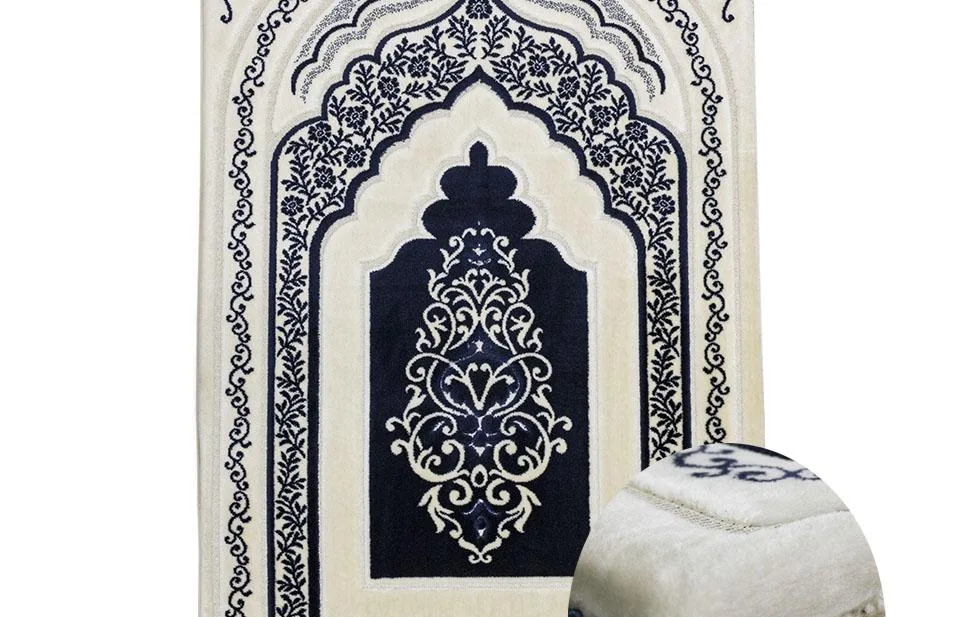
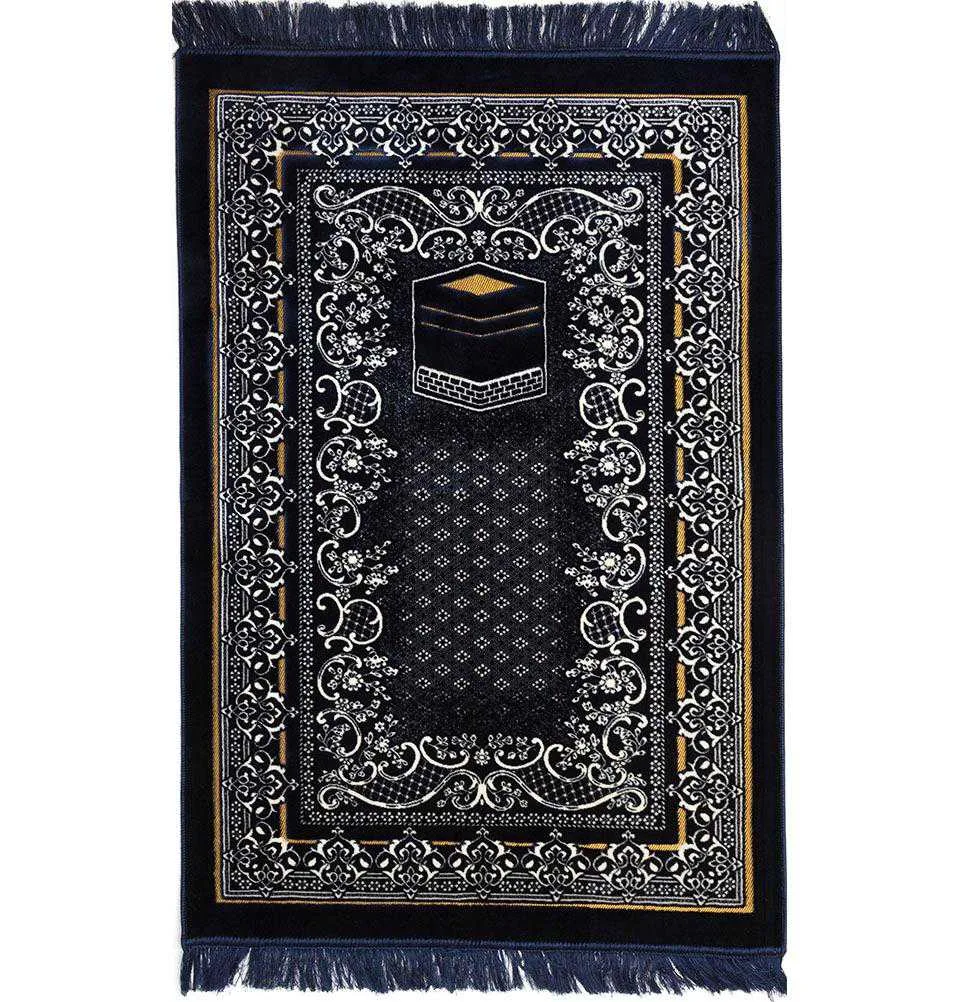
- Patterns often include mosques, geometric designs, floral motifs, or calligraphy.
- Regional styles differ: Turkish mats are known for rich wool and deep colors, Persian mats for intricate patterns, and Indonesian mats for lightweight natural fibers.
- Spiritual Reminder
- Unrolling the mat marks the transition from worldly tasks to spiritual devotion.
- The design often points toward Mecca, reinforcing the direction of prayer (qibla).
Prayer Mats as Cultural Artifacts
- Handwoven Heritage: Many mats are still made by artisans using traditional techniques passed down through generations.
- Family Heirlooms: In some cultures, mats are gifted during weddings, Ramadan, or Hajj, carrying emotional and spiritual value across generations.
- Museum Exhibits: Antique prayer mats are displayed worldwide, showcasing Islamic art history and craftsmanship.
Modern Evolution of Prayer Mats
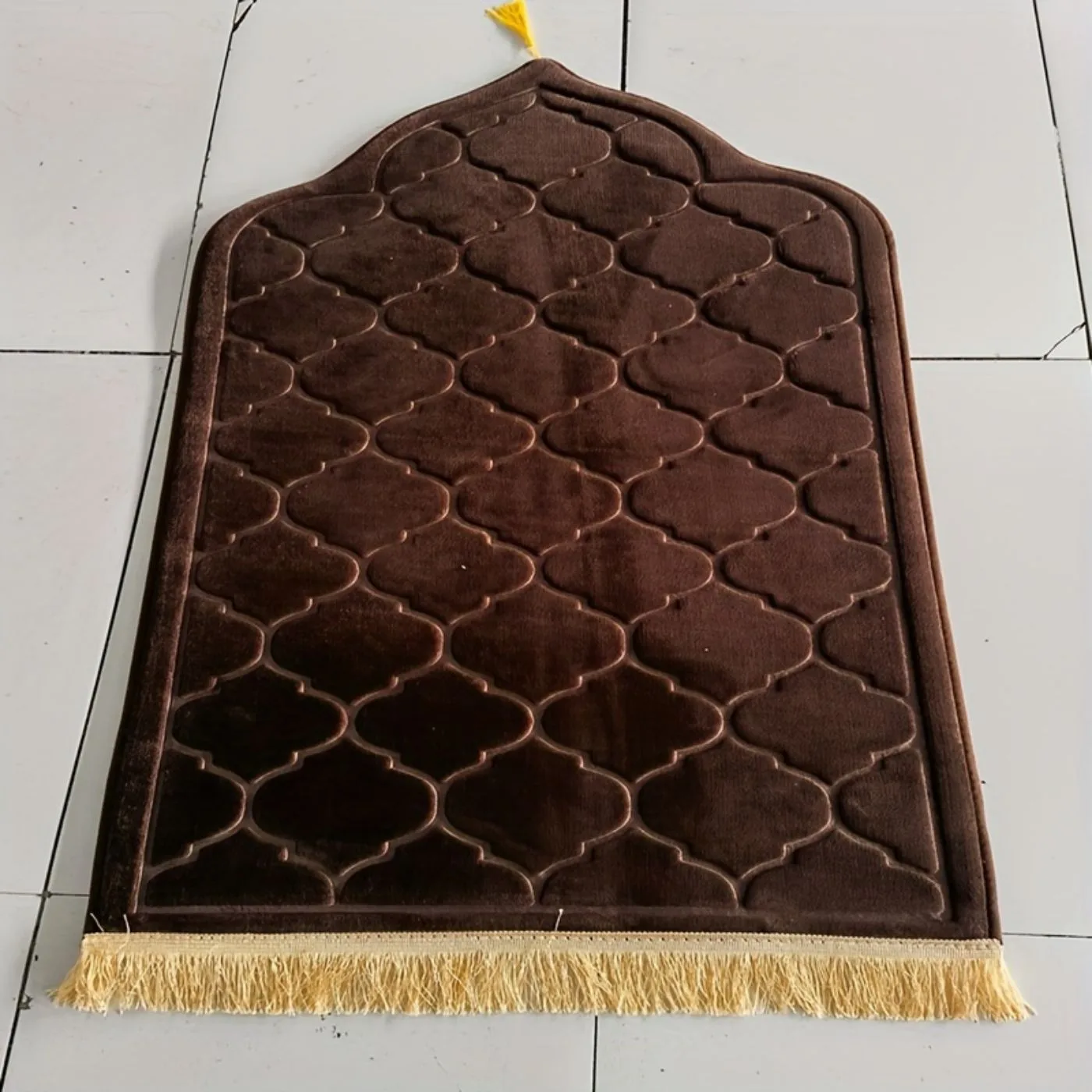
- Diverse Materials: Today’s mats include cotton, polyester, velvet, memory foam, and eco-friendly fabrics.
- Specialized Designs: Options now exist for children, travelers, and elderly worshippers with added cushioning.
- Cultural Identity: Modern mats blend tradition with innovation, featuring both classic Islamic patterns and contemporary aesthetics.
The Spiritual and Cultural Role Today
- A Daily Companion: For Muslims, the prayer mat is part of a sacred daily routine, accompanying five daily prayers.
- Bridge Between Cultures: Owning mats from different regions allows families to celebrate global Islamic traditions.
- Symbol of Devotion: Beyond their beauty, prayer mats remain a humble reminder of the worshipper’s submission to Allah.
The history and cultural significance of prayer mats extend far beyond their practical use. From their early origins to their role in today’s Muslim homes, prayer mats represent a blend of faith, tradition, and artistry. Whether handmade by artisans or produced with modern techniques, each mat serves as a sacred bridge between the spiritual and cultural life of the Muslim community.